About this study
This project investigates the occurrence of leg fractures within the Silken Windhound breed, presenting insights derived from over ten years of meticulous, self-directed research. Conducted entirely on a voluntary basis, this work reflects countless hours of gathering, organizing, and analyzing data—all driven by a deep commitment to help this wonderful breed.
My name is Michelle Stark and this study is rooted in my own experiences as a Silken Windhound owner. The turning point came when Raisa, my beloved young dog, suffered her first leg break—a devastating and unexpected ordeal. Initially, I believed it was a tragic fluke. But when Heather, a nearby owner, shared that her young Silken Windhound had endured multiple leg fractures, it became clear there might be more to the story. Together, we turned to social media and were startled to find more accounts of Silken Windhounds facing similar issues.
Our concerns were brought to the breed club, but their explanations largely dismissed the problem as a combination of bad luck and the natural risks associated with the breed’s speed and build. However, we couldn’t shake the feeling that there was more to the problem. I resolved to gather the facts myself, with Heather offering steadfast encouragement and support along the way.
What began as a personal investigation has grown into a full-scale, long-term study.
I recognize that my connection to this issue is personal—Raisa’s struggles and eventual loss remain a driving force behind my dedication. While my emotions undoubtedly influence my perspective, they have also fueled my resolve to pursue this research with care and thoroughness.
Though I do not have any scientific credentials, my background as a lawyer has honed my skills in research, analysis, and presenting evidence. With this report, I aim to share not only the data I’ve collected but also my observations and hypotheses, in the hope that it will spark deeper investigations by the appropriate experts who will be able to find definitive answers for why so many silken windhounds are breaking their legs. My ultimate goal is simple yet vital: to ensure a brighter, healthier future for this elegant, affectionate breed.

121
Silken Windhounds with at least one broken leg
60%
Female Dogs
40%
Male Dogs
20%
Silken Windhounds that suffered Multiple Leg Breaks
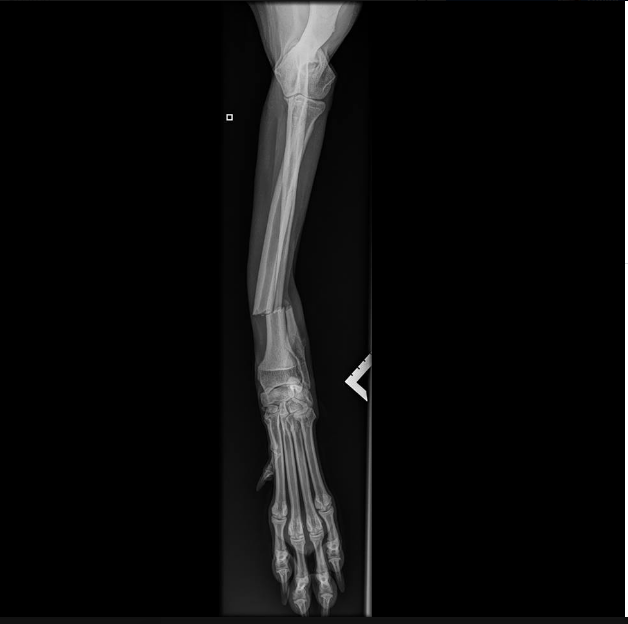
Typical Leg Break
Most leg breaks in Silken Windhounds happen in their front legs, particularly in the two bones between the elbow and wrist, called the radius and ulna. These are not minor cracks or stress fractures; they are complete breaks through both bones. Nearly all of these injuries require expensive surgical repair, with metal implants used to stabilize the leg.

Routine Activities
Silken Windhounds are susceptible to leg breaks during normal, everyday activities. For instance, these injuries can occur when the dogs are running, jumping off furniture, out of a vehicle, or engaging in routine play.

Runs in Families
There is a widespread occurrence of broken legs in closely related Silken Windhounds and the condition has been consistently reported across multiple generations, including in many of the breed’s founding dogs.
Not Your Average Leg Break
A picture is worth a thousand words.The images in this gallery illustrate the severe nature of most Silken Windhound leg breaks. My research revealed that one in five dogs re-breaks the same leg or suffers a break or breaks in additional legs. Some have even broken both front legs—either simultaneously or within a short time.


question or comment?
If you have any questions about this study or would like guidance on how to report a leg break, please don’t hesitate to reach out. Although this report is now complete, the issue remains important, and ongoing monitoring is crucial. I would be happy to connect you with the Health Committee of the Breed Club, who I hope will continue building on this work. Additionally, I am available to discuss the findings, provide background information, or address any comments or concerns you may have. Collaboration and open dialogue are essential to advancing our understanding of this health issue, and I welcome your input.
Powered By EmbedPress